Description:
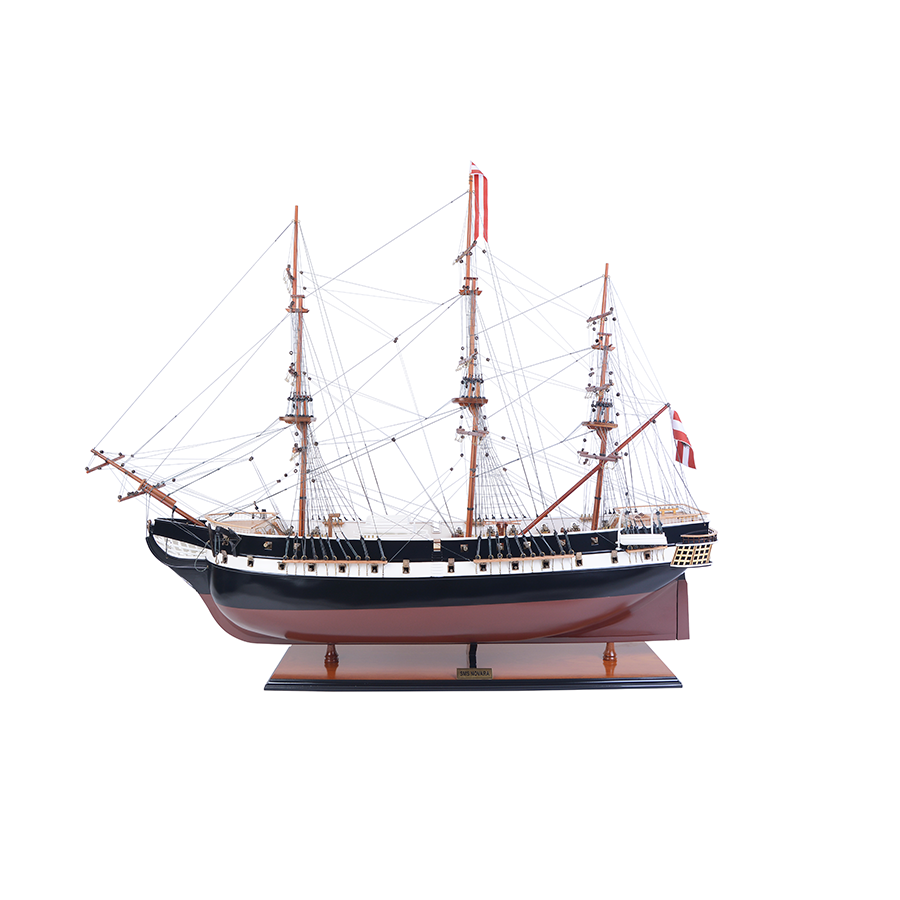
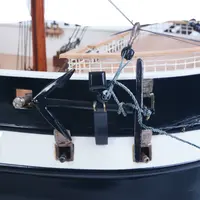
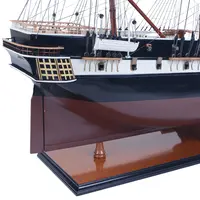
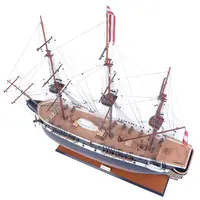
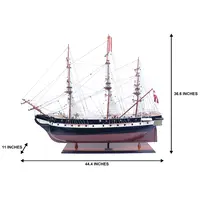
The SMS Novara model is a stunning, handcrafted representation of the iconic 19th-century Austro-Hungarian corvette. Known for its role in exploration and military service, the Novara model is a meticulously detailed miniature that captures the grandeur and functional design of the original vessel. With its striking black and white hull, complemented by elegant wooden accents and intricate rigging, the model reflects both the strength and grace of a warship from the late 1800s.
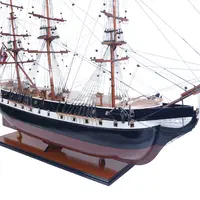
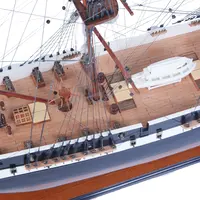
Made from high-quality materials such as Western Red Cedar and durable metal components, every element of the model, from the ship's towering masts to the finely tied sails, is crafted with precision. The structure showcases an authentic combination of robust military engineering with the refinement of a ship built for long-distance voyages. The detailed rigging, stern windows, and deck fittings all point to the expert craftsmanship required to replicate such a complex vessel.
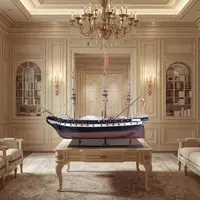
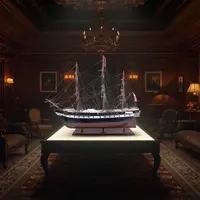
This model stands on a finely crafted wooden base, making it a perfect display piece for naval history enthusiasts or collectors of historical ships. Its balance of historical accuracy and artistic craftsmanship ensures that the SMS Novara is both a tribute to maritime heritage and a remarkable work of art. Whether displayed in a home or a museum, it serves as a tribute to the ship's legacy as an explorer and military ship of the Austro-Hungarian Empire.
History:
The SMS Novara was an Austrian corvette launched in 1850, famous for its scientific expedition between 1857 and 1859. The ship, equipped with a crew of scientists, sailed around the world, exploring regions such as South America, Australia, and the Pacific Islands, gathering important data on geography, flora, and fauna.
This global voyage marked a significant achievement for the Austro-Hungarian Empire, contributing greatly to scientific knowledge at the time. It showcased the Empire's naval capabilities and its interest in global exploration.
After serving for several decades, the Novara was decommissioned in 1882. Its legacy as a symbol of both scientific exploration and naval power continues to be remembered in maritime history.

_20261019_232631.jpg)