Description:
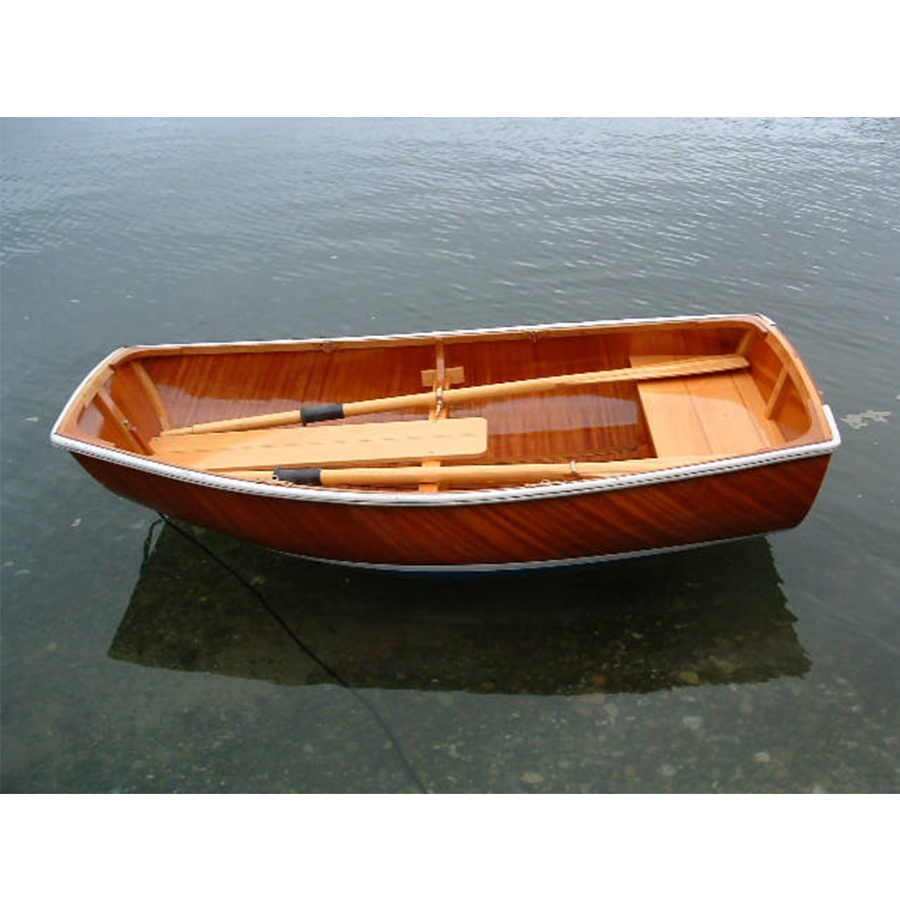
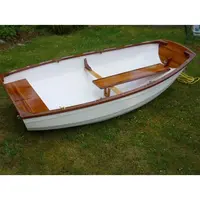
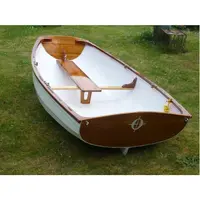
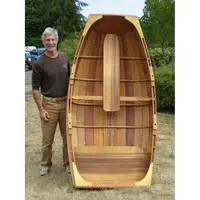
The Katydidn’t & Petey Dink are delightful examples of small-boat ingenuity—compact, practical, and full of character. Designed to serve as light and reliable tenders, these wooden dinghies embody the perfect balance between simplicity, seaworthiness, and craftsmanship. Though modest in size, they offer excellent stability, smooth handling, and surprising carrying capacity, making them ideal for both solo rowing and short coastal excursions.
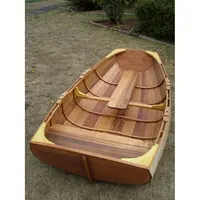
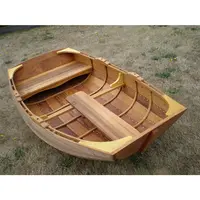
This 30-inch custom-made scale model is handcrafted to order, faithfully recreating the charm and detail of the original Katydidn’t & Petey Dink designs. Built entirely by hand using the traditional plank-on-frame method, each model is constructed from premium Western Red Cedar, Teak, Mahogany, and other fine exotic woods. Every piece requires approximately 4–5 months of dedicated craftsmanship to ensure authentic structure, proportion, and finish.
Throughout the building process, clients receive photo updates at key stages for review and approval:
- Hull construction and planking
- Interior seating and structural detailing
- Final varnishing, painting, and finishing touches
Once completed, the model is carefully packed in a reinforced wooden crate to ensure safe international shipping.
Available exclusively as a custom-made project, the Katydidn’t & Petey Dink boat model celebrates the enduring artistry of classic small-boat design—where elegance meets utility in every line and curve. To begin your build or request custom specifications, please visit Custom-Made Projects.
History:
The Katydidn’t was created in 1937 by the renowned American naval architect William Atkin, known for designing practical, seaworthy small boats.
First featured in his book Motor Boats, Katydidn’t was conceived as the smallest practical tender for cruisers—easy to tow, lift aboard, or move single-handedly. The original was built by Ole Amondsen of Greenwich for W. J.
McElroy and quickly became admired for its simplicity and balance. Atkin described it as ideal for calm waters, capable of carrying up to three people while maintaining good stability and handling.
Later, his son John Atkin refined the design using cold-molded, strip-planked construction, renaming it Petey Dink CM. This evolution preserved the charm of the original pram-type dinghy while enhancing strength, lightness, and craftsmanship.