Description:
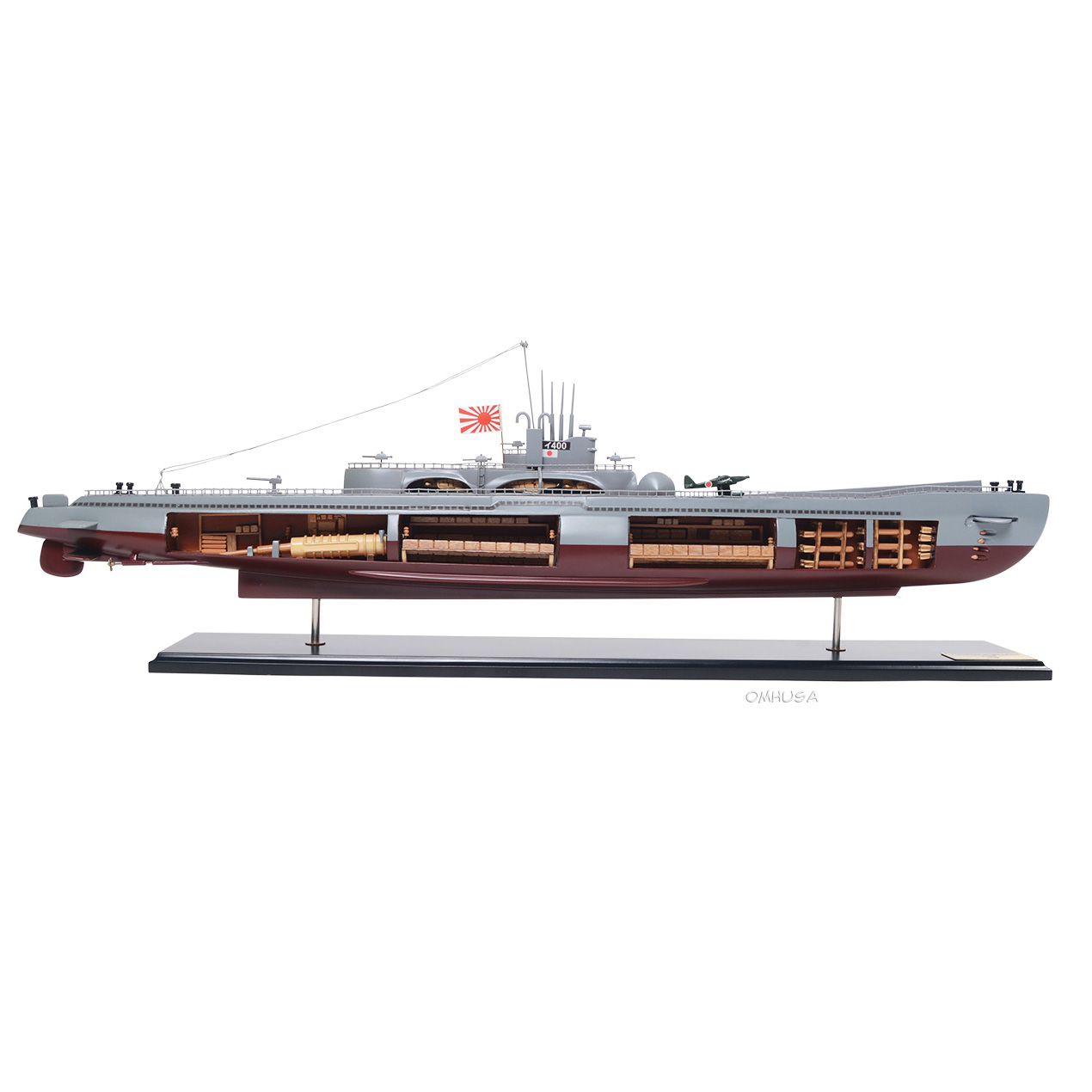
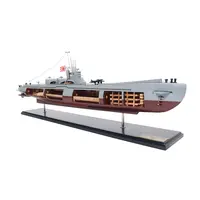
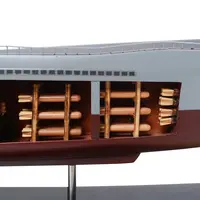
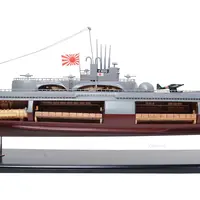
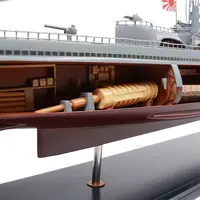
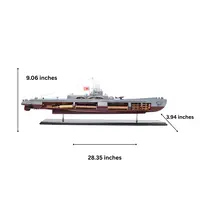
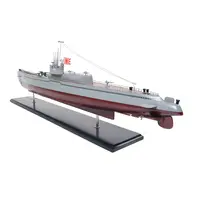
The Submarine Cutaway model is a meticulously crafted representation of a Japanese World War II-era submarine, showcasing intricate details of its interior and exterior. Built with precision, this model provides a clear view of the submarine's inner compartments, including the engine room, torpedo storage, and crew areas, all highlighted through a carefully designed cutaway.
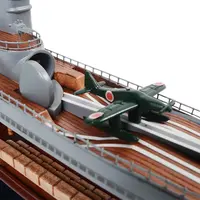
Made from high-quality materials like teak and Western Red Cedar, the model combines durability with an elegant finish. Over 100 hours of expert craftsmanship went into creating this detailed and accurate piece, ensuring that every feature, from the smooth hull to the finely sculpted interior, is carefully reproduced.
Mounted on a display stand, this model is not only a remarkable collectible but also an educational piece, offering insight into the engineering and design of submarines from the World War II era.
History:
The Submarine, also known as the I-70, was a Japanese submarine that served during World War II. Launched in 1944, the I-70 was part of the Imperial Japanese Navy’s fleet of submarines, designed primarily for reconnaissance and strategic attacks. It was one of the Japanese Navy's experimental submarines, built with advanced features and meant for long-range operations.
The I-70 was a unique vessel, featuring a distinctive design and equipped with both torpedo tubes and reconnaissance equipment. Its primary mission was to operate as a long-range submarine capable of gathering intelligence and executing surprise attacks on enemy targets. The submarine played a role in several operations, though it was not as famous or involved in high-profile missions compared to other submarines in the Japanese fleet.
In late 1944, the I-70 was engaged in reconnaissance missions in the Pacific Ocean. However, like many Japanese submarines of the time, it was affected by the changing tide of the war, with resources dwindling and the growing effectiveness of Allied forces. The submarine’s operational history was relatively short, and it was eventually sunk in 1945 during an Allied airstrike.
Today, the legacy of the I-70 is remembered as part of the broader history of Japanese submarine warfare during World War II, showcasing both the technological advancements and challenges faced by the Imperial Japanese Navy.

_20261019_232631.jpg)